
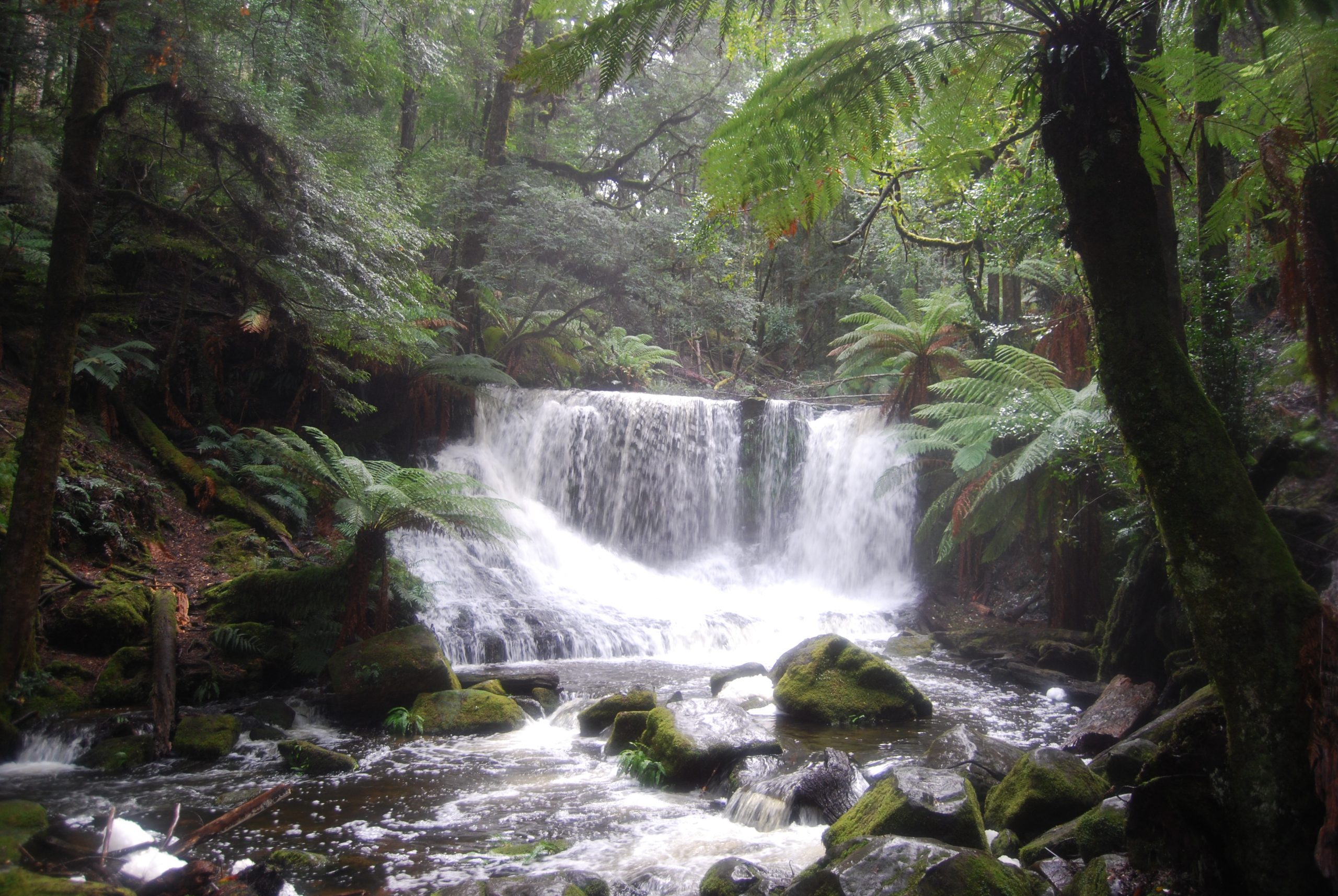
Tasmania is a sensational destination for adventure travel, camping, bushwalking, hiking, tramping, kayaking, canoeing, walking, trekking, backpacking and generally enjoying the seemingly endless array of walks, hiking trails and spectacular scenery in any of Tassie’s many national parks. Tasmania is hard to beat for sheer beauty that you will experience whilst exploring its great outdoors. The sounds of fresh running water, native birds singing, spectacular views and scenery to photograph whether mountainous, coastal, bush, forests, rivers, streams, lakes, beaches, high country, waterfalls, bluffs and mountains in remote areas of Tassie that are seemingly a world away from the hustle and busy of city life.
Bushwalkers transport in Tasmania is limited and can be challenging when using public transport or private providers, due in part to the accessible nature of many of Tasmania’s bushwalking locations. Click here for a list of operators. Many of Tasmania’s bushwalks have huts providing overnight accommodation, that in most cases are not able to be booked and used on a first come, first serve basis. Always carry camping equipment in case huts are full when attempting overnight walks. There are a range of commercial tour operators in Tasmania who can assist you with Bushwalking in Tasmania. Click here for a list of operators. Bushwalking in Tasmania can be challenging as weather can change quickly and conditions at times treacherous. Click her for a list of essential items to carry when bushwalking in Tasmania.Tasmania’s climate is temperate, sunny in summer and cool to very cold in winter, particularly in highlands areas. There are four distinct seasons, each with its own appeal, and the reverse of North America and Europe. December to February in Summer, Tasmania has an average temperature of 21°C 70°F). The June to August average temperature is 12°C (52°F). Hobart is Australia’s second driest city with an annual rainfall of just 626mm (24″). On the west coast of Tasmania, however, rain forests thrive on an average of 2400mm (95″). Always be well prepared when bushwalking in Tasmania. Be sure to carry full wet weather clothing, including fully water/wind proof jacket and trousers. Also carry a warm woolen hat or beanie, waterproof gloves, good quality walking boots, gaiters, thermal underwear, walking trousers, map, compass or GPS, first aid kit, tent, sleeping bag (for overnight walks) In summer months, a broad rimmed sun hat & sun screen are essential. Always carry sufficient enough food and water to cover for an extended, unplanned stay.
WEATHER Tasmania has a similar climate to southern Australia, with warm, dry summers and cool, wet winters. However, climate in Tasmania is more variable and more changeable, with some areas (e.g., Hobart) receiving considerably less rainfall than others. Most of the rainfall in Tasmania falls on the West Coast and snow above 1,000m (3,280ft) in July and August is common. It rarely snows in the major population areas of Tasmania. Enjoy majestic views from any number of high country mountainous lookouts and resting places when bushwalking in Tasmania.